African Ikon Travel Journal
A Day in Bo-Kaap: Colour, Spice & Story
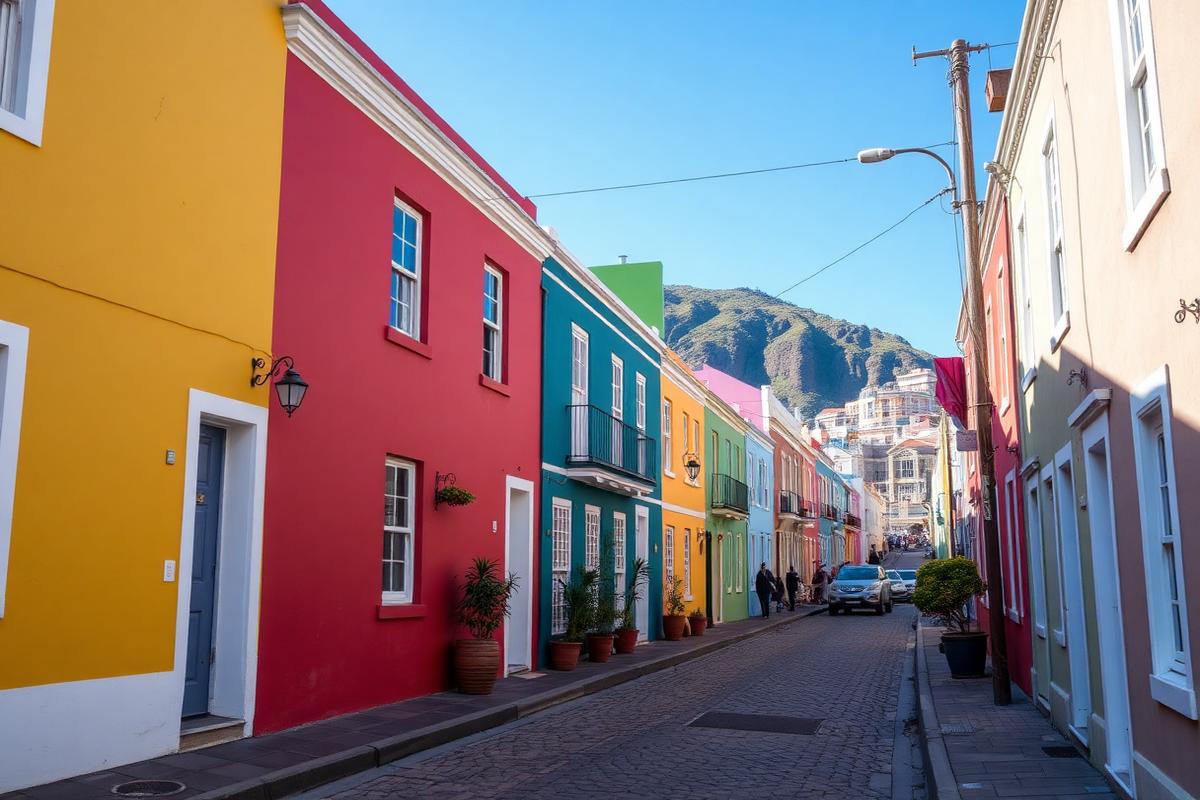
Bo-Kaap is more than a row of colourful façades. It is a living neighbourhood shaped by Cape Muslim heritage, family histories, faith, food and a long record of community resilience.
01
Begin with the neighbourhood's story
The Bo-Kaap Museum and responsible local guides provide valuable context for the area's history. Simplified stories about the house colours are often repeated online, so treat a heritage institution or community voice as the stronger source.
Walk slowly and notice the mosques, cobbled streets and changing city around the neighbourhood. This is not an outdoor film set: homes, pavements and doorways remain part of daily life.
02
Visit with good etiquette
Ask permission before photographing people, keep entrances clear and lower your voice near places of worship. Modest clothing is considerate if your visit includes a mosque or a resident-led cultural experience.
Support local businesses by booking a community guide, buying from neighbourhood shops or joining a cooking experience. Avoid intrusive photography and do not fly a drone without the required permissions.
- Greet your host and listen before taking photographs.
- Check opening hours directly before visiting museums.
- Be mindful of prayer times and religious observances.
03
Practical planning and safety
Comfortable shoes are useful on steep, uneven streets. Bring sun protection, but also a layer for Cape Town's quick weather changes.
As in any central-city area, stay aware of your phone and valuables. A guide and pre-arranged transport make it easier to connect Bo-Kaap with the Company’s Garden, District Six or the V&A Waterfront without searching for parking.